Artemisia absinthium - Plant
Artemisia absinthium - Wormwood Plant
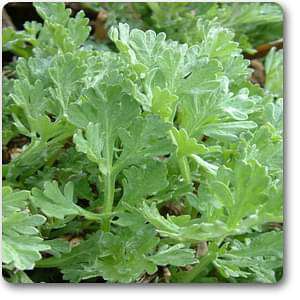
Artemisia absinthium, commonly known as Wormwood, is a perennial herbaceous plant renowned for its distinctive silvery-green foliage and aromatic properties. This ancient plant has been used for centuries in traditional medicine and as a key ingredient in the production of absinthe, a famous alcoholic beverage. With its unique flavor profile and historical significance, Wormwood is a fascinating addition to any garden or herbal collection.
Why It's Special
Wormwood is not just a beautiful plant; it holds a significant place in history and culture. Its use dates back to ancient civilizations, where it was valued for its medicinal properties and as a flavoring agent. The plant is also known for its role in the production of absinthe, which was once banned in many countries due to its psychoactive properties. Today, Wormwood is celebrated for its unique taste and potential health benefits.
Special Features
This hardy plant is drought-resistant and thrives in poor soil conditions, making it an excellent choice for low-maintenance gardens. Its striking foliage and aromatic scent not only enhance garden aesthetics but also attract beneficial insects, promoting biodiversity. Additionally, Wormwood has been studied for its potential anti-parasitic and anti-inflammatory properties, adding to its appeal as a medicinal herb.
Growing Instructions
- Plant in well-drained soil with a pH of 6.0 to 7.0.
- Choose a sunny location, as Wormwood thrives in full sun (6-8 hours of sunlight daily).
- Space plants 18-24 inches apart to allow for their bushy growth.
- Water sparingly; allow the soil to dry out between watering.
Care Instructions
- Prune back in early spring to encourage new growth.
- Fertilize sparingly; too much nitrogen can reduce flavor intensity.
- Monitor for pests like aphids and spider mites; treat with insecticidal soap if necessary.
- Mulch around the base to retain moisture and suppress weeds.
Uses
- Used in traditional herbal medicine for digestive issues and as a tonic.
- Key ingredient in absinthe and other herbal liqueurs.
- Can be used to make herbal teas and tinctures.
- Utilized in natural pest repellents due to its strong aroma.
Fun Facts
- Wormwood is named after its historical use in treating intestinal worms.
- In ancient Greece, it was believed to have protective properties against evil spirits.
- The plant contains thujone, a compound that was once thought to cause hallucinations.
- Wormwood is a key ingredient in the famous cocktail, the Sazerac.
Environmental Impact
Artemisia absinthium is a resilient plant that can thrive in poor soil conditions, making it an excellent choice for sustainable gardening. Its ability to attract beneficial insects helps promote a healthy ecosystem, while its drought resistance contributes to water conservation efforts. By incorporating Wormwood into your garden, you can support biodiversity and create a more sustainable environment.
Artemisia absinthium - Wormwood Plant
Artemisia absinthium, commonly known as Wormwood, is a perennial herbaceous plant renowned for its distinctive silvery-green foliage and aromatic properties. This ancient plant has been used for centuries in traditional medicine and as a key ingredient in the production of absinthe, a famous alcoholic beverage. With its unique flavor profile and historical significance, Wormwood is a fascinating addition to any garden or herbal collection.
Why It's Special
Wormwood is not just a beautiful plant; it holds a significant place in history and culture. Its use dates back to ancient civilizations, where it was valued for its medicinal properties and as a flavoring agent. The plant is also known for its role in the production of absinthe, which was once banned in many countries due to its psychoactive properties. Today, Wormwood is celebrated for its unique taste and potential health benefits.
Special Features
This hardy plant is drought-resistant and thrives in poor soil conditions, making it an excellent choice for low-maintenance gardens. Its striking foliage and aromatic scent not only enhance garden aesthetics but also attract beneficial insects, promoting biodiversity. Additionally, Wormwood has been studied for its potential anti-parasitic and anti-inflammatory properties, adding to its appeal as a medicinal herb.
Growing Instructions
- Plant in well-drained soil with a pH of 6.0 to 7.0.
- Choose a sunny location, as Wormwood thrives in full sun (6-8 hours of sunlight daily).
- Space plants 18-24 inches apart to allow for their bushy growth.
- Water sparingly; allow the soil to dry out between watering.
Care Instructions
- Prune back in early spring to encourage new growth.
- Fertilize sparingly; too much nitrogen can reduce flavor intensity.
- Monitor for pests like aphids and spider mites; treat with insecticidal soap if necessary.
- Mulch around the base to retain moisture and suppress weeds.
Uses
- Used in traditional herbal medicine for digestive issues and as a tonic.
- Key ingredient in absinthe and other herbal liqueurs.
- Can be used to make herbal teas and tinctures.
- Utilized in natural pest repellents due to its strong aroma.
Fun Facts
- Wormwood is named after its historical use in treating intestinal worms.
- In ancient Greece, it was believed to have protective properties against evil spirits.
- The plant contains thujone, a compound that was once thought to cause hallucinations.
- Wormwood is a key ingredient in the famous cocktail, the Sazerac.
Environmental Impact
Artemisia absinthium is a resilient plant that can thrive in poor soil conditions, making it an excellent choice for sustainable gardening. Its ability to attract beneficial insects helps promote a healthy ecosystem, while its drought resistance contributes to water conservation efforts. By incorporating Wormwood into your garden, you can support biodiversity and create a more sustainable environment.
Description
Artemisia absinthium - Wormwood Plant
Artemisia absinthium, commonly known as Wormwood, is a perennial herbaceous plant renowned for its distinctive silvery-green foliage and aromatic properties. This ancient plant has been used for centuries in traditional medicine and as a key ingredient in the production of absinthe, a famous alcoholic beverage. With its unique flavor profile and historical significance, Wormwood is a fascinating addition to any garden or herbal collection.
Why It's Special
Wormwood is not just a beautiful plant; it holds a significant place in history and culture. Its use dates back to ancient civilizations, where it was valued for its medicinal properties and as a flavoring agent. The plant is also known for its role in the production of absinthe, which was once banned in many countries due to its psychoactive properties. Today, Wormwood is celebrated for its unique taste and potential health benefits.
Special Features
This hardy plant is drought-resistant and thrives in poor soil conditions, making it an excellent choice for low-maintenance gardens. Its striking foliage and aromatic scent not only enhance garden aesthetics but also attract beneficial insects, promoting biodiversity. Additionally, Wormwood has been studied for its potential anti-parasitic and anti-inflammatory properties, adding to its appeal as a medicinal herb.
Growing Instructions
- Plant in well-drained soil with a pH of 6.0 to 7.0.
- Choose a sunny location, as Wormwood thrives in full sun (6-8 hours of sunlight daily).
- Space plants 18-24 inches apart to allow for their bushy growth.
- Water sparingly; allow the soil to dry out between watering.
Care Instructions
- Prune back in early spring to encourage new growth.
- Fertilize sparingly; too much nitrogen can reduce flavor intensity.
- Monitor for pests like aphids and spider mites; treat with insecticidal soap if necessary.
- Mulch around the base to retain moisture and suppress weeds.
Uses
- Used in traditional herbal medicine for digestive issues and as a tonic.
- Key ingredient in absinthe and other herbal liqueurs.
- Can be used to make herbal teas and tinctures.
- Utilized in natural pest repellents due to its strong aroma.
Fun Facts
- Wormwood is named after its historical use in treating intestinal worms.
- In ancient Greece, it was believed to have protective properties against evil spirits.
- The plant contains thujone, a compound that was once thought to cause hallucinations.
- Wormwood is a key ingredient in the famous cocktail, the Sazerac.
Environmental Impact
Artemisia absinthium is a resilient plant that can thrive in poor soil conditions, making it an excellent choice for sustainable gardening. Its ability to attract beneficial insects helps promote a healthy ecosystem, while its drought resistance contributes to water conservation efforts. By incorporating Wormwood into your garden, you can support biodiversity and create a more sustainable environment.