Synsepalum dulcificum - Plant
Synsepalum dulcificum - Miracle Fruit Plant
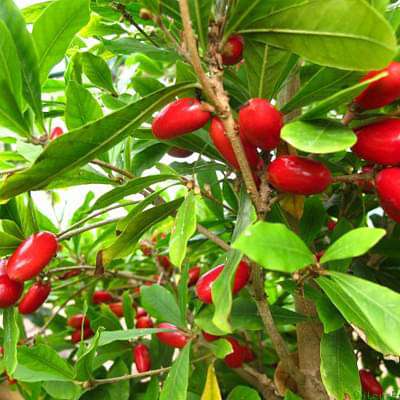
Synsepalum dulcificum, commonly known as the Miracle Fruit, is a unique tropical plant native to West Africa. This small shrub produces bright red berries that contain a glycoprotein called miraculin, which has the extraordinary ability to make sour foods taste sweet. The plant thrives in warm, humid environments and can be grown indoors or outdoors, making it a fascinating addition to any garden or home.
What sets Synsepalum dulcificum apart is its remarkable flavor-altering properties. When consumed, the berries temporarily modify the taste receptors on the tongue, allowing sour foods like lemons and vinegar to taste sweet. This unique trait has garnered attention from chefs and food enthusiasts alike, making it a popular choice for culinary experiments.
One of the special features of the Miracle Fruit is its potential health benefits. Rich in antioxidants, it may help combat oxidative stress and inflammation. Additionally, its natural sweetness can be a game-changer for those looking to reduce sugar intake without sacrificing flavor.
Growing Instructions
- Plant in well-draining, acidic soil (pH 5.5-6.5).
- Provide partial shade to full sun exposure.
- Water regularly, keeping the soil consistently moist but not soggy.
- Fertilize with a balanced fertilizer every 4-6 weeks during the growing season.
- Maintain humidity levels above 50% for optimal growth.
Care Instructions
- Prune regularly to encourage bushy growth and remove dead or damaged branches.
- Monitor for pests such as aphids and spider mites; treat with insecticidal soap if necessary.
- Protect from frost; bring indoors during colder months if grown in non-tropical climates.
Uses
- Use the berries to enhance the flavor of sour dishes and beverages.
- Incorporate into culinary presentations for a unique dining experience.
- Explore its potential in health and wellness products due to its antioxidant properties.
Fun Facts
- The Miracle Fruit has been used in traditional West African medicine for centuries.
- It gained popularity in the 1970s as a natural sweetener alternative.
- Miraculin can last up to an hour, making it perfect for taste-testing parties!
Environmental Impact
Growing Synsepalum dulcificum can contribute positively to local ecosystems by providing habitat for pollinators. Additionally, its cultivation can promote biodiversity in tropical and subtropical regions, making it a sustainable choice for gardeners and farmers alike.
Synsepalum dulcificum - Miracle Fruit Plant
Synsepalum dulcificum, commonly known as the Miracle Fruit, is a unique tropical plant native to West Africa. This small shrub produces bright red berries that contain a glycoprotein called miraculin, which has the extraordinary ability to make sour foods taste sweet. The plant thrives in warm, humid environments and can be grown indoors or outdoors, making it a fascinating addition to any garden or home.
What sets Synsepalum dulcificum apart is its remarkable flavor-altering properties. When consumed, the berries temporarily modify the taste receptors on the tongue, allowing sour foods like lemons and vinegar to taste sweet. This unique trait has garnered attention from chefs and food enthusiasts alike, making it a popular choice for culinary experiments.
One of the special features of the Miracle Fruit is its potential health benefits. Rich in antioxidants, it may help combat oxidative stress and inflammation. Additionally, its natural sweetness can be a game-changer for those looking to reduce sugar intake without sacrificing flavor.
Growing Instructions
- Plant in well-draining, acidic soil (pH 5.5-6.5).
- Provide partial shade to full sun exposure.
- Water regularly, keeping the soil consistently moist but not soggy.
- Fertilize with a balanced fertilizer every 4-6 weeks during the growing season.
- Maintain humidity levels above 50% for optimal growth.
Care Instructions
- Prune regularly to encourage bushy growth and remove dead or damaged branches.
- Monitor for pests such as aphids and spider mites; treat with insecticidal soap if necessary.
- Protect from frost; bring indoors during colder months if grown in non-tropical climates.
Uses
- Use the berries to enhance the flavor of sour dishes and beverages.
- Incorporate into culinary presentations for a unique dining experience.
- Explore its potential in health and wellness products due to its antioxidant properties.
Fun Facts
- The Miracle Fruit has been used in traditional West African medicine for centuries.
- It gained popularity in the 1970s as a natural sweetener alternative.
- Miraculin can last up to an hour, making it perfect for taste-testing parties!
Environmental Impact
Growing Synsepalum dulcificum can contribute positively to local ecosystems by providing habitat for pollinators. Additionally, its cultivation can promote biodiversity in tropical and subtropical regions, making it a sustainable choice for gardeners and farmers alike.
Original: $2.64
-70%$2.64
$0.79Description
Synsepalum dulcificum - Miracle Fruit Plant
Synsepalum dulcificum, commonly known as the Miracle Fruit, is a unique tropical plant native to West Africa. This small shrub produces bright red berries that contain a glycoprotein called miraculin, which has the extraordinary ability to make sour foods taste sweet. The plant thrives in warm, humid environments and can be grown indoors or outdoors, making it a fascinating addition to any garden or home.
What sets Synsepalum dulcificum apart is its remarkable flavor-altering properties. When consumed, the berries temporarily modify the taste receptors on the tongue, allowing sour foods like lemons and vinegar to taste sweet. This unique trait has garnered attention from chefs and food enthusiasts alike, making it a popular choice for culinary experiments.
One of the special features of the Miracle Fruit is its potential health benefits. Rich in antioxidants, it may help combat oxidative stress and inflammation. Additionally, its natural sweetness can be a game-changer for those looking to reduce sugar intake without sacrificing flavor.
Growing Instructions
- Plant in well-draining, acidic soil (pH 5.5-6.5).
- Provide partial shade to full sun exposure.
- Water regularly, keeping the soil consistently moist but not soggy.
- Fertilize with a balanced fertilizer every 4-6 weeks during the growing season.
- Maintain humidity levels above 50% for optimal growth.
Care Instructions
- Prune regularly to encourage bushy growth and remove dead or damaged branches.
- Monitor for pests such as aphids and spider mites; treat with insecticidal soap if necessary.
- Protect from frost; bring indoors during colder months if grown in non-tropical climates.
Uses
- Use the berries to enhance the flavor of sour dishes and beverages.
- Incorporate into culinary presentations for a unique dining experience.
- Explore its potential in health and wellness products due to its antioxidant properties.
Fun Facts
- The Miracle Fruit has been used in traditional West African medicine for centuries.
- It gained popularity in the 1970s as a natural sweetener alternative.
- Miraculin can last up to an hour, making it perfect for taste-testing parties!
Environmental Impact
Growing Synsepalum dulcificum can contribute positively to local ecosystems by providing habitat for pollinators. Additionally, its cultivation can promote biodiversity in tropical and subtropical regions, making it a sustainable choice for gardeners and farmers alike.