Cycas Plant, Sago Palm, Cycas revoluta - Plant
Cycas Plant, Sago Palm, Cycas revoluta - Plant
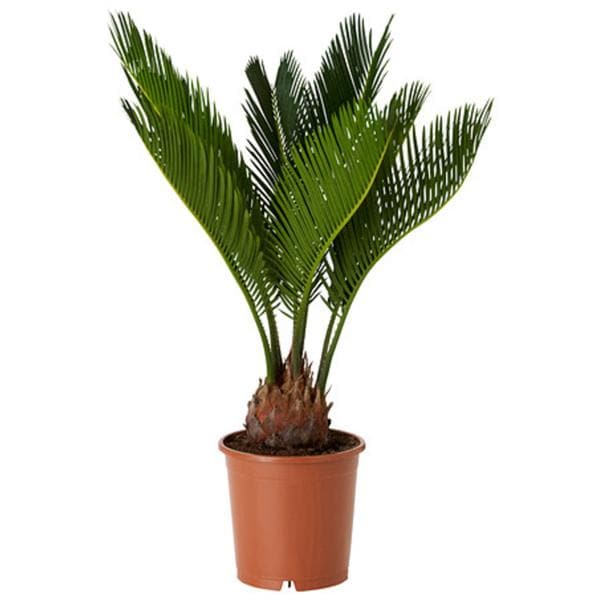
The Cycas revoluta, commonly known as the Sago Palm, is a stunning and ancient plant that hails from the Cycad family. With its lush, feathery fronds and robust trunk, this plant is often mistaken for a true palm, but it is actually a cycad, a group of plants that has existed for over 300 million years. The Sago Palm is not only a beautiful addition to any garden or indoor space but also a symbol of resilience and longevity.
What makes the Sago Palm special is its unique appearance and adaptability. This plant can thrive in various environments, from tropical to subtropical regions, making it a versatile choice for gardeners. Its slow growth rate and longevity—often living for over 100 years—add to its allure, making it a cherished heirloom plant.
One of the standout features of the Sago Palm is its ability to produce stunning, cone-like structures when mature, which can be either male or female. These cones are not only visually striking but also play a crucial role in the plant's reproduction. Additionally, the Sago Palm is known for its air-purifying qualities, making it an excellent choice for improving indoor air quality.
Growing Instructions:
- Plant in well-draining soil; sandy or loamy soil is ideal.
- Choose a location with partial to full sunlight for optimal growth.
- Water sparingly; allow the soil to dry out between waterings.
- Fertilize with a balanced fertilizer during the growing season (spring and summer).
Care Instructions:
- Protect from frost; bring indoors during cold months in cooler climates.
- Dust leaves regularly to enhance photosynthesis.
- Check for pests like scale and mealybugs; treat promptly if found.
- Repot every 2-3 years to refresh soil and promote growth.
Uses:
- Ideal for landscaping, providing a tropical aesthetic.
- Perfect for indoor decoration, enhancing air quality.
- Used in traditional medicine in some cultures, though caution is advised as parts of the plant are toxic if ingested.
Fun Facts:
- The Sago Palm is often referred to as a "living fossil" due to its ancient lineage.
- Despite its name, the Sago Palm is not a true palm; it belongs to the Cycad family.
- In Japan, the Sago Palm is considered a symbol of longevity and good fortune.
Environmental Impact:
The Sago Palm plays a vital role in its ecosystem by providing habitat and food for various wildlife species. Its ability to thrive in poor soil conditions makes it an excellent choice for erosion control and landscape restoration projects. Additionally, its air-purifying properties contribute positively to indoor environments, promoting healthier living spaces.
Cycas Plant, Sago Palm, Cycas revoluta - Plant
The Cycas revoluta, commonly known as the Sago Palm, is a stunning and ancient plant that hails from the Cycad family. With its lush, feathery fronds and robust trunk, this plant is often mistaken for a true palm, but it is actually a cycad, a group of plants that has existed for over 300 million years. The Sago Palm is not only a beautiful addition to any garden or indoor space but also a symbol of resilience and longevity.
What makes the Sago Palm special is its unique appearance and adaptability. This plant can thrive in various environments, from tropical to subtropical regions, making it a versatile choice for gardeners. Its slow growth rate and longevity—often living for over 100 years—add to its allure, making it a cherished heirloom plant.
One of the standout features of the Sago Palm is its ability to produce stunning, cone-like structures when mature, which can be either male or female. These cones are not only visually striking but also play a crucial role in the plant's reproduction. Additionally, the Sago Palm is known for its air-purifying qualities, making it an excellent choice for improving indoor air quality.
Growing Instructions:
- Plant in well-draining soil; sandy or loamy soil is ideal.
- Choose a location with partial to full sunlight for optimal growth.
- Water sparingly; allow the soil to dry out between waterings.
- Fertilize with a balanced fertilizer during the growing season (spring and summer).
Care Instructions:
- Protect from frost; bring indoors during cold months in cooler climates.
- Dust leaves regularly to enhance photosynthesis.
- Check for pests like scale and mealybugs; treat promptly if found.
- Repot every 2-3 years to refresh soil and promote growth.
Uses:
- Ideal for landscaping, providing a tropical aesthetic.
- Perfect for indoor decoration, enhancing air quality.
- Used in traditional medicine in some cultures, though caution is advised as parts of the plant are toxic if ingested.
Fun Facts:
- The Sago Palm is often referred to as a "living fossil" due to its ancient lineage.
- Despite its name, the Sago Palm is not a true palm; it belongs to the Cycad family.
- In Japan, the Sago Palm is considered a symbol of longevity and good fortune.
Environmental Impact:
The Sago Palm plays a vital role in its ecosystem by providing habitat and food for various wildlife species. Its ability to thrive in poor soil conditions makes it an excellent choice for erosion control and landscape restoration projects. Additionally, its air-purifying properties contribute positively to indoor environments, promoting healthier living spaces.
Description
Cycas Plant, Sago Palm, Cycas revoluta - Plant
The Cycas revoluta, commonly known as the Sago Palm, is a stunning and ancient plant that hails from the Cycad family. With its lush, feathery fronds and robust trunk, this plant is often mistaken for a true palm, but it is actually a cycad, a group of plants that has existed for over 300 million years. The Sago Palm is not only a beautiful addition to any garden or indoor space but also a symbol of resilience and longevity.
What makes the Sago Palm special is its unique appearance and adaptability. This plant can thrive in various environments, from tropical to subtropical regions, making it a versatile choice for gardeners. Its slow growth rate and longevity—often living for over 100 years—add to its allure, making it a cherished heirloom plant.
One of the standout features of the Sago Palm is its ability to produce stunning, cone-like structures when mature, which can be either male or female. These cones are not only visually striking but also play a crucial role in the plant's reproduction. Additionally, the Sago Palm is known for its air-purifying qualities, making it an excellent choice for improving indoor air quality.
Growing Instructions:
- Plant in well-draining soil; sandy or loamy soil is ideal.
- Choose a location with partial to full sunlight for optimal growth.
- Water sparingly; allow the soil to dry out between waterings.
- Fertilize with a balanced fertilizer during the growing season (spring and summer).
Care Instructions:
- Protect from frost; bring indoors during cold months in cooler climates.
- Dust leaves regularly to enhance photosynthesis.
- Check for pests like scale and mealybugs; treat promptly if found.
- Repot every 2-3 years to refresh soil and promote growth.
Uses:
- Ideal for landscaping, providing a tropical aesthetic.
- Perfect for indoor decoration, enhancing air quality.
- Used in traditional medicine in some cultures, though caution is advised as parts of the plant are toxic if ingested.
Fun Facts:
- The Sago Palm is often referred to as a "living fossil" due to its ancient lineage.
- Despite its name, the Sago Palm is not a true palm; it belongs to the Cycad family.
- In Japan, the Sago Palm is considered a symbol of longevity and good fortune.
Environmental Impact:
The Sago Palm plays a vital role in its ecosystem by providing habitat and food for various wildlife species. Its ability to thrive in poor soil conditions makes it an excellent choice for erosion control and landscape restoration projects. Additionally, its air-purifying properties contribute positively to indoor environments, promoting healthier living spaces.