Indigofera species - Plant
Indigofera Species - Plant
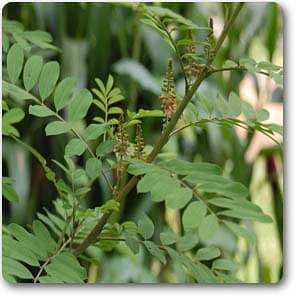
The Indigofera species, commonly known as indigo plants, are a diverse group of flowering plants belonging to the Fabaceae family. Renowned for their vibrant blue dye, these plants have been cultivated for centuries, dating back to ancient civilizations in Asia and Africa. With over 700 species, Indigofera plants are not only visually appealing but also play a significant role in traditional dyeing processes and sustainable agriculture.
What makes Indigofera special is its ability to thrive in various climates, making it a versatile addition to gardens and landscapes. The plant's striking foliage and delicate flowers attract pollinators, contributing to biodiversity. Additionally, Indigofera species are nitrogen-fixing plants, enhancing soil fertility and promoting sustainable farming practices.
One of the standout features of Indigofera is its historical significance in textile production. The indigo dye extracted from its leaves has been used for centuries to create rich, deep blue fabrics, making it a staple in traditional dyeing techniques worldwide.
Growing Instructions:
- Plant in well-drained soil with a pH of 6.0 to 7.5.
- Choose a sunny location, as Indigofera thrives in full sunlight.
- Space plants 2-3 feet apart to allow for growth.
- Water regularly, especially during dry spells, but avoid waterlogging.
Care Instructions:
- Prune regularly to encourage bushy growth and remove dead or damaged branches.
- Fertilize with a balanced fertilizer during the growing season.
- Monitor for pests such as aphids and treat with organic insecticides if necessary.
- Mulch around the base to retain moisture and suppress weeds.
Uses:
- Used in traditional dyeing processes to produce indigo dye.
- Serves as an ornamental plant in gardens due to its attractive flowers.
- Acts as a cover crop to improve soil health and prevent erosion.
- Provides habitat and food for various pollinators and wildlife.
Fun Facts:
- Indigofera tinctoria is the most well-known species used for dyeing.
- The indigo dye was historically so valuable that it was often referred to as "blue gold."
- Indigofera plants can grow up to 1.5 meters tall, depending on the species.
- In some cultures, indigo dyeing is considered a sacred art form, passed down through generations.
Environmental Impact:
Indigofera species contribute positively to the environment by improving soil quality through nitrogen fixation. Their ability to grow in poor soils makes them ideal for land restoration projects. Additionally, by attracting pollinators, they support local ecosystems and promote biodiversity.
Indigofera Species - Plant
The Indigofera species, commonly known as indigo plants, are a diverse group of flowering plants belonging to the Fabaceae family. Renowned for their vibrant blue dye, these plants have been cultivated for centuries, dating back to ancient civilizations in Asia and Africa. With over 700 species, Indigofera plants are not only visually appealing but also play a significant role in traditional dyeing processes and sustainable agriculture.
What makes Indigofera special is its ability to thrive in various climates, making it a versatile addition to gardens and landscapes. The plant's striking foliage and delicate flowers attract pollinators, contributing to biodiversity. Additionally, Indigofera species are nitrogen-fixing plants, enhancing soil fertility and promoting sustainable farming practices.
One of the standout features of Indigofera is its historical significance in textile production. The indigo dye extracted from its leaves has been used for centuries to create rich, deep blue fabrics, making it a staple in traditional dyeing techniques worldwide.
Growing Instructions:
- Plant in well-drained soil with a pH of 6.0 to 7.5.
- Choose a sunny location, as Indigofera thrives in full sunlight.
- Space plants 2-3 feet apart to allow for growth.
- Water regularly, especially during dry spells, but avoid waterlogging.
Care Instructions:
- Prune regularly to encourage bushy growth and remove dead or damaged branches.
- Fertilize with a balanced fertilizer during the growing season.
- Monitor for pests such as aphids and treat with organic insecticides if necessary.
- Mulch around the base to retain moisture and suppress weeds.
Uses:
- Used in traditional dyeing processes to produce indigo dye.
- Serves as an ornamental plant in gardens due to its attractive flowers.
- Acts as a cover crop to improve soil health and prevent erosion.
- Provides habitat and food for various pollinators and wildlife.
Fun Facts:
- Indigofera tinctoria is the most well-known species used for dyeing.
- The indigo dye was historically so valuable that it was often referred to as "blue gold."
- Indigofera plants can grow up to 1.5 meters tall, depending on the species.
- In some cultures, indigo dyeing is considered a sacred art form, passed down through generations.
Environmental Impact:
Indigofera species contribute positively to the environment by improving soil quality through nitrogen fixation. Their ability to grow in poor soils makes them ideal for land restoration projects. Additionally, by attracting pollinators, they support local ecosystems and promote biodiversity.
Description
Indigofera Species - Plant
The Indigofera species, commonly known as indigo plants, are a diverse group of flowering plants belonging to the Fabaceae family. Renowned for their vibrant blue dye, these plants have been cultivated for centuries, dating back to ancient civilizations in Asia and Africa. With over 700 species, Indigofera plants are not only visually appealing but also play a significant role in traditional dyeing processes and sustainable agriculture.
What makes Indigofera special is its ability to thrive in various climates, making it a versatile addition to gardens and landscapes. The plant's striking foliage and delicate flowers attract pollinators, contributing to biodiversity. Additionally, Indigofera species are nitrogen-fixing plants, enhancing soil fertility and promoting sustainable farming practices.
One of the standout features of Indigofera is its historical significance in textile production. The indigo dye extracted from its leaves has been used for centuries to create rich, deep blue fabrics, making it a staple in traditional dyeing techniques worldwide.
Growing Instructions:
- Plant in well-drained soil with a pH of 6.0 to 7.5.
- Choose a sunny location, as Indigofera thrives in full sunlight.
- Space plants 2-3 feet apart to allow for growth.
- Water regularly, especially during dry spells, but avoid waterlogging.
Care Instructions:
- Prune regularly to encourage bushy growth and remove dead or damaged branches.
- Fertilize with a balanced fertilizer during the growing season.
- Monitor for pests such as aphids and treat with organic insecticides if necessary.
- Mulch around the base to retain moisture and suppress weeds.
Uses:
- Used in traditional dyeing processes to produce indigo dye.
- Serves as an ornamental plant in gardens due to its attractive flowers.
- Acts as a cover crop to improve soil health and prevent erosion.
- Provides habitat and food for various pollinators and wildlife.
Fun Facts:
- Indigofera tinctoria is the most well-known species used for dyeing.
- The indigo dye was historically so valuable that it was often referred to as "blue gold."
- Indigofera plants can grow up to 1.5 meters tall, depending on the species.
- In some cultures, indigo dyeing is considered a sacred art form, passed down through generations.
Environmental Impact:
Indigofera species contribute positively to the environment by improving soil quality through nitrogen fixation. Their ability to grow in poor soils makes them ideal for land restoration projects. Additionally, by attracting pollinators, they support local ecosystems and promote biodiversity.