Stinging Nettles - Plant
Stinging Nettles - Plant
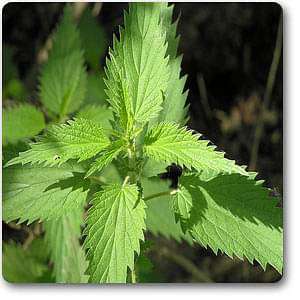
Stinging Nettles (Urtica dioica) are perennial plants known for their unique stinging hairs that can cause a temporary burning sensation upon contact. These hardy plants thrive in a variety of environments, from rich woodlands to disturbed areas, and are often found in temperate regions worldwide. Beyond their notorious sting, nettles are packed with nutrients, making them a valuable addition to any garden or herbal remedy collection.
What makes Stinging Nettles special is their rich nutritional profile, containing vitamins A, C, K, and several B vitamins, along with minerals like iron, calcium, and magnesium. Historically, they have been used for centuries in traditional medicine and as a food source, showcasing their versatility and importance in various cultures.
One of the standout features of Stinging Nettles is their ability to improve soil health. They are known to attract beneficial insects and can be used as a natural fertilizer when composted, enriching the soil with nutrients. Additionally, their leaves can be harvested for culinary uses, making them a sustainable choice for eco-conscious gardeners.
Growing Instructions:
- Plant in well-drained soil with a pH of 6.0 to 7.0.
- Choose a location with partial to full sunlight.
- Space plants 12-18 inches apart to allow for growth.
- Water regularly, especially during dry spells, to keep the soil moist.
Care Instructions:
- Mulch around the base to retain moisture and suppress weeds.
- Prune back in late fall to encourage new growth in spring.
- Monitor for pests; use organic methods for control if necessary.
Uses:
- Harvest young leaves for salads, soups, and teas.
- Use dried leaves in herbal remedies for their anti-inflammatory properties.
- Make nettle-infused oil for skin care applications.
Fun Facts:
- Stinging Nettles have been used since ancient times for their medicinal properties.
- They can grow up to 4 feet tall and are often found in clusters.
- Nettles are a favorite food for butterflies and other pollinators.
Environmental Impact:
Stinging Nettles play a crucial role in their ecosystems by providing habitat and food for various wildlife species. Their ability to improve soil health and attract beneficial insects makes them an excellent choice for sustainable gardening practices.
Stinging Nettles - Plant
Stinging Nettles (Urtica dioica) are perennial plants known for their unique stinging hairs that can cause a temporary burning sensation upon contact. These hardy plants thrive in a variety of environments, from rich woodlands to disturbed areas, and are often found in temperate regions worldwide. Beyond their notorious sting, nettles are packed with nutrients, making them a valuable addition to any garden or herbal remedy collection.
What makes Stinging Nettles special is their rich nutritional profile, containing vitamins A, C, K, and several B vitamins, along with minerals like iron, calcium, and magnesium. Historically, they have been used for centuries in traditional medicine and as a food source, showcasing their versatility and importance in various cultures.
One of the standout features of Stinging Nettles is their ability to improve soil health. They are known to attract beneficial insects and can be used as a natural fertilizer when composted, enriching the soil with nutrients. Additionally, their leaves can be harvested for culinary uses, making them a sustainable choice for eco-conscious gardeners.
Growing Instructions:
- Plant in well-drained soil with a pH of 6.0 to 7.0.
- Choose a location with partial to full sunlight.
- Space plants 12-18 inches apart to allow for growth.
- Water regularly, especially during dry spells, to keep the soil moist.
Care Instructions:
- Mulch around the base to retain moisture and suppress weeds.
- Prune back in late fall to encourage new growth in spring.
- Monitor for pests; use organic methods for control if necessary.
Uses:
- Harvest young leaves for salads, soups, and teas.
- Use dried leaves in herbal remedies for their anti-inflammatory properties.
- Make nettle-infused oil for skin care applications.
Fun Facts:
- Stinging Nettles have been used since ancient times for their medicinal properties.
- They can grow up to 4 feet tall and are often found in clusters.
- Nettles are a favorite food for butterflies and other pollinators.
Environmental Impact:
Stinging Nettles play a crucial role in their ecosystems by providing habitat and food for various wildlife species. Their ability to improve soil health and attract beneficial insects makes them an excellent choice for sustainable gardening practices.
Original: $2.64
-70%$2.64
$0.79Description
Stinging Nettles - Plant
Stinging Nettles (Urtica dioica) are perennial plants known for their unique stinging hairs that can cause a temporary burning sensation upon contact. These hardy plants thrive in a variety of environments, from rich woodlands to disturbed areas, and are often found in temperate regions worldwide. Beyond their notorious sting, nettles are packed with nutrients, making them a valuable addition to any garden or herbal remedy collection.
What makes Stinging Nettles special is their rich nutritional profile, containing vitamins A, C, K, and several B vitamins, along with minerals like iron, calcium, and magnesium. Historically, they have been used for centuries in traditional medicine and as a food source, showcasing their versatility and importance in various cultures.
One of the standout features of Stinging Nettles is their ability to improve soil health. They are known to attract beneficial insects and can be used as a natural fertilizer when composted, enriching the soil with nutrients. Additionally, their leaves can be harvested for culinary uses, making them a sustainable choice for eco-conscious gardeners.
Growing Instructions:
- Plant in well-drained soil with a pH of 6.0 to 7.0.
- Choose a location with partial to full sunlight.
- Space plants 12-18 inches apart to allow for growth.
- Water regularly, especially during dry spells, to keep the soil moist.
Care Instructions:
- Mulch around the base to retain moisture and suppress weeds.
- Prune back in late fall to encourage new growth in spring.
- Monitor for pests; use organic methods for control if necessary.
Uses:
- Harvest young leaves for salads, soups, and teas.
- Use dried leaves in herbal remedies for their anti-inflammatory properties.
- Make nettle-infused oil for skin care applications.
Fun Facts:
- Stinging Nettles have been used since ancient times for their medicinal properties.
- They can grow up to 4 feet tall and are often found in clusters.
- Nettles are a favorite food for butterflies and other pollinators.
Environmental Impact:
Stinging Nettles play a crucial role in their ecosystems by providing habitat and food for various wildlife species. Their ability to improve soil health and attract beneficial insects makes them an excellent choice for sustainable gardening practices.